E-Learning

The VALERECO e-learning platform supports the uptake of legume-based agroecological practices through modular, practice-oriented training for diverse stakeholders across Europe.

Results (3)

Farmers & Advisors

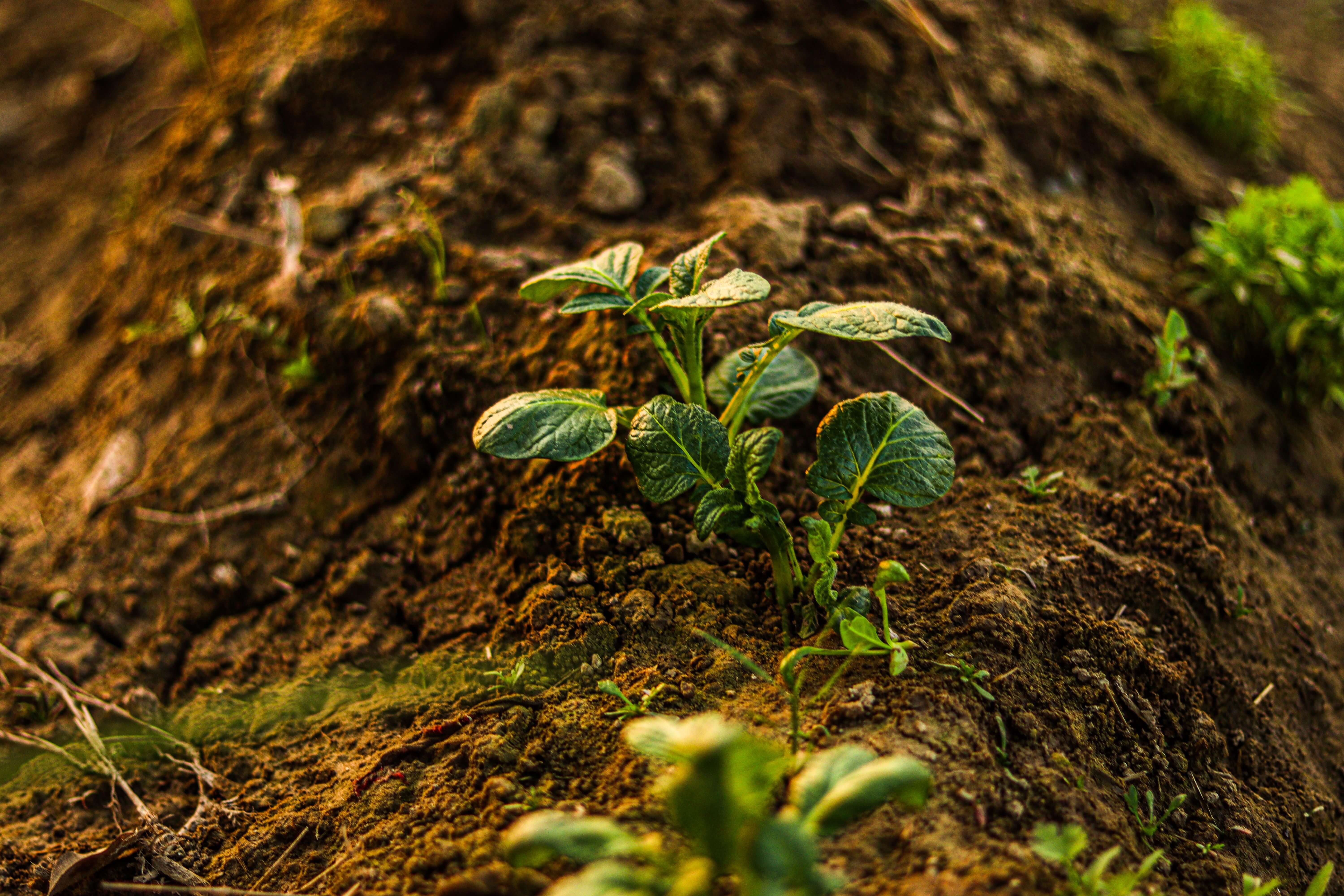
Crop Rotation with Legumes to Improve Soil Health, Biodiversity, and Yield Stability

This module explores how rotating crops with legumes, especially soybean, can improve soil health, support biodiversity, and make crop yields more stable. It covers the ecological role of legumes, nitrogen fixation, soybean growth and quality parameters, soybean-based crop rotation, and the use of winter cover crops to strengthen sustainable farming systems.

Topics covered

  • Crop rotation and soil health
  • Legumes and ecosystems
  • Nitrogen fixation by legumes
  • Soybeans and soy parameters
  • Crop rotation with soybean
  • Soybean and winter cover crops
Farmers, Advisors & Industry

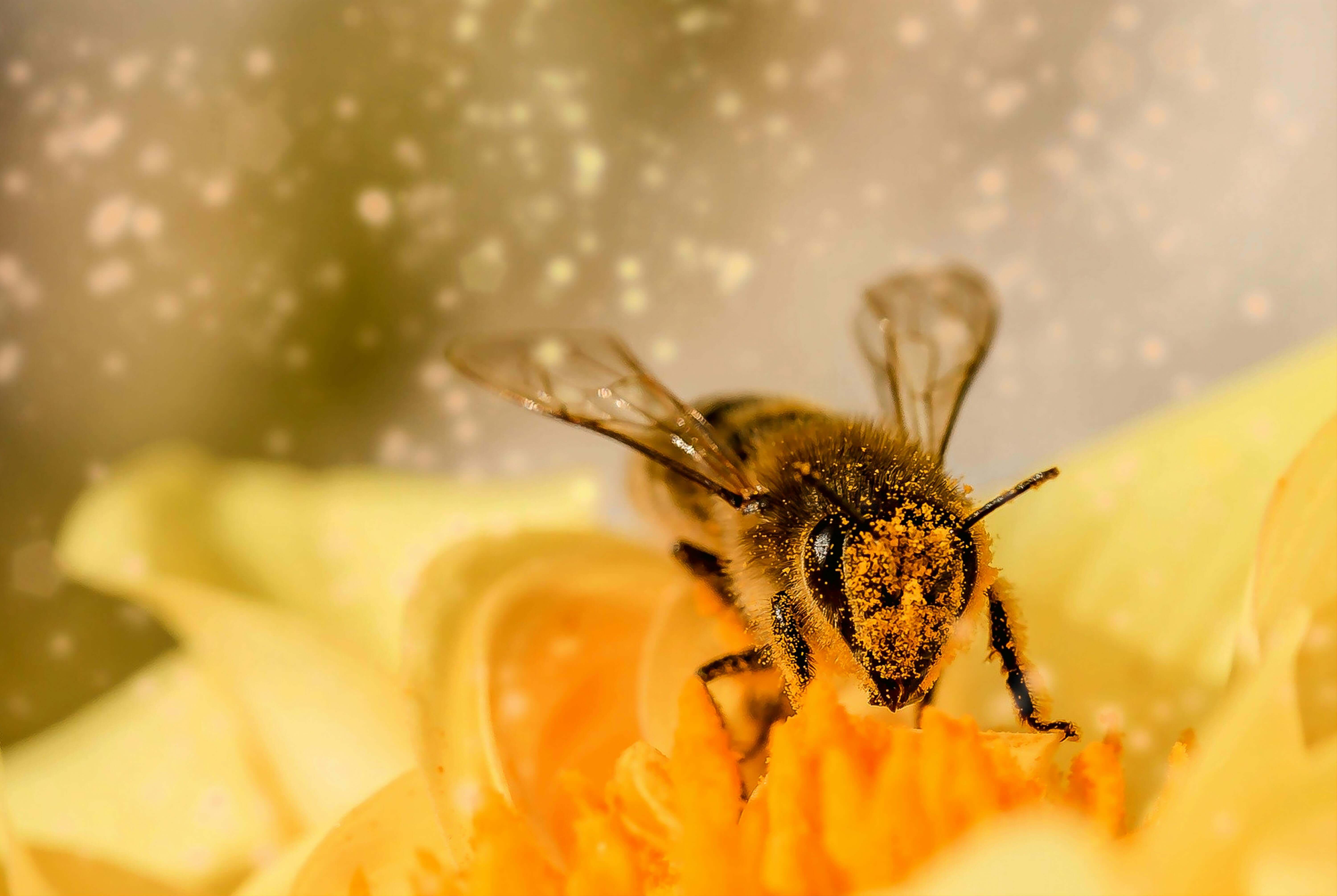
Pollination Support by Legume Systems: Ecological Mechanisms and Evidence Gaps

This module explores how legume-based systems can support pollination within sustainable agriculture through ecological mechanisms such as habitat provision, floral resources, and interactions with pollinator communities. It also examines current research on the relationship between legumes and pollination, while identifying key evidence gaps that need further study.

Topics covered

  • Role of legumes in sustainable agriculture
  • Pollination and legume systems
  • Ecological mechanisms
  • Research on the relationship between legumes and pollination
  • Evidence gaps
Scientific & Research Organisations, Advisors

Soil Microbial Interactions with Legumes and Implications for Soil Fertility

This module examines how legumes interact with soil microorganisms, especially through processes that support nutrient cycling and biological nitrogen fixation. It highlights how these soil-microbe-legume relationships improve soil fertility, strengthen ecosystem services, and contribute to more sustainable agricultural systems.

Topics covered

  • Soil-microbe-legume interactions
  • Microbial contributions to nutrient cycling
  • Effects on soil fertility and ecosystem services